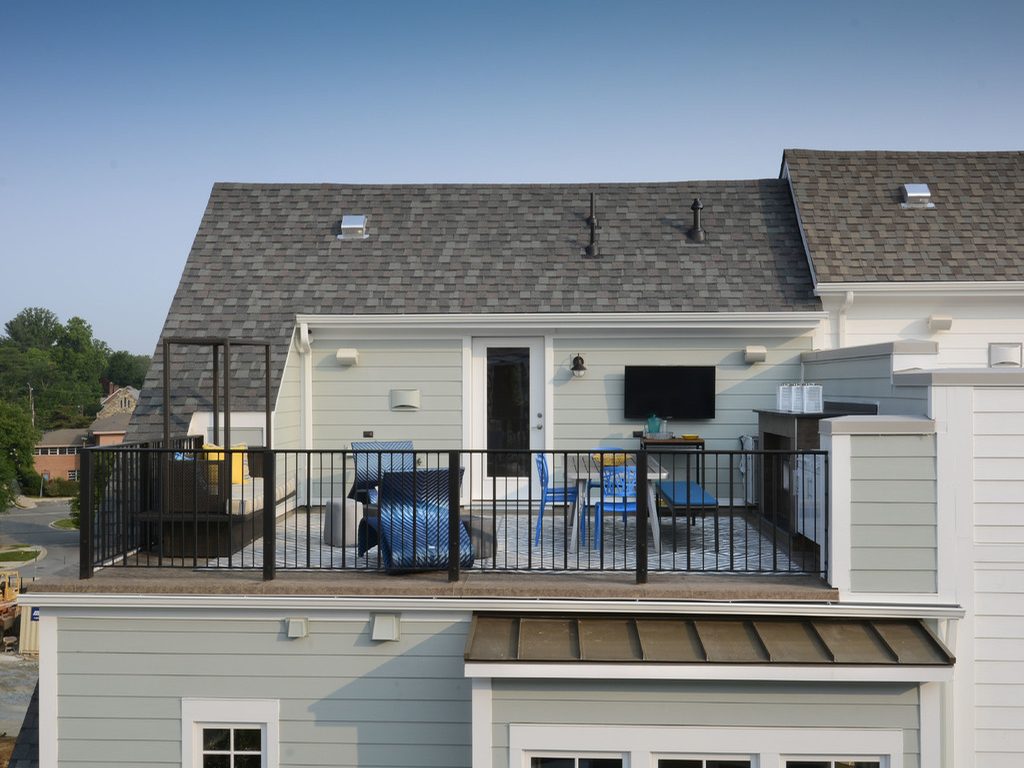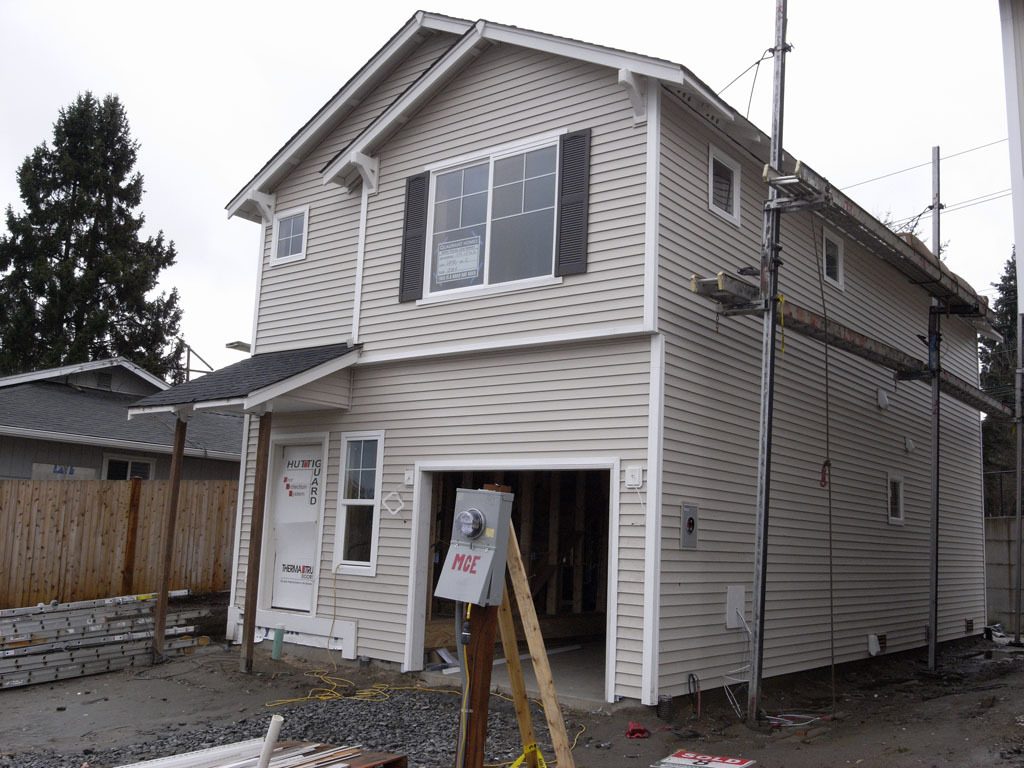
Live a few blocks from the ocean and you learn that the air itself is a building material. It carries salt, sand and moisture onto every surface, and siding takes the brunt of it. When owners near the Jax Beach pier ask us what to put on their walls, we start with how the house faces the wind, not with a color chart.
Fiber cement for a long, quiet life
Fiber cement planks are our usual recommendation for homes closest to the ocean. They do not rot, they shrug off termites and they hold factory paint well under strong sun. The boards are heavier than vinyl, so installation takes careful fastening with stainless or hot-dipped nails that will not bleed rust streaks down the wall.
When vinyl or wood still makes sense
Good insulated vinyl is lighter on the budget and easy to clean with a garden hose, which suits rental cottages. Natural cedar shakes bring warmth to older bungalows, but they need sealing on a regular schedule and more attention after every storm season.
Details that matter as much as the boards
- Flashing tape and metal head flashing above every window and door.
- Trim boards in cellular PVC, which will not swell or split near the ground.
- Light, sun-stable colors that hide salt haze and stay cooler in July.
- A clear gap above the sand and soil so splash-back cannot wick upward.
Siding is the coat your home wears every day. Choose it for the coast you actually live on, and it will keep the house looking freshly remade long after the paint crew has gone.